
DK Safety Solutions mobile logo
Cloth Hanger Installation in Madipakkam for neater balconies, easier drying, and practical family laundry.

Madipakkam Chennai cloth hanger installation

Cloth Hanger Installation in Madipakkam for neater balconies, easier drying, and practical family laundry.

Madipakkam homes often use balconies and utility spaces for drying clothes through humid weeks, rainy days, and busy family routines. A cloth hanger installation should make laundry easier without blocking balcony safety, window use, cleaning access, or the appearance of the home.

Article Details

Full service notes

This page explains the area condition, service route, fixing choices, access needs, and contact steps before a site visit.

Use it to compare the real site requirement before choosing material, access method, and finishing style.

Daily Utility Focus

Written for compact apartments, family flats, utility balconies, dry balconies, and rental homes around Madipakkam.

Service Checks Depth

The page is reviewed and checked before publishing.

Hanger FAQs

Questions cover ceiling hangers, balcony hangers, load, drilling, rentals, drying, monsoon use, and maintenance.

Why Madipakkam cloth hanger installation needs layout checks

Cloth hanger installation looks simple until the balcony is used every day. In Madipakkam apartments, balconies and utility areas often handle washing machines, buckets, plants, safety nets, windows, AC units, and drying clothes in the same compact space. A hanger should improve the routine, not make the balcony harder to move through.

A proper drying system must match ceiling height, wall strength, sunlight, airflow, family size, load, and how often clothes are washed. Chennai humidity and rain make drying efficiency important. If the hanger is placed badly, wet clothes block the door, drip into the wrong area, touch plants, or interfere with safety nets.

This Madipakkam notes explains cloth hanger installation for balconies, ceilings, utility spaces, rental homes, monsoon drying, load checks, drilling, maintenance, and quote comparison. It is written as a full detailed service notes for area family use.

Balcony Layout

The hanger position should follow how the balcony is used

Before installing a cloth hanger, the team should see where the washing machine sits, how the balcony door opens, where sunlight falls, and whether the family uses the space for plants, storage, or seating. A hanger placed only by ceiling center may still be wrong if it blocks movement.

Madipakkam balconies are often compact, so every inch matters. The hanger should allow clothes to dry without touching walls, grills, safety nets, or dirty corners. The final position should make laundry faster, not turn the balcony into a daily obstacle.
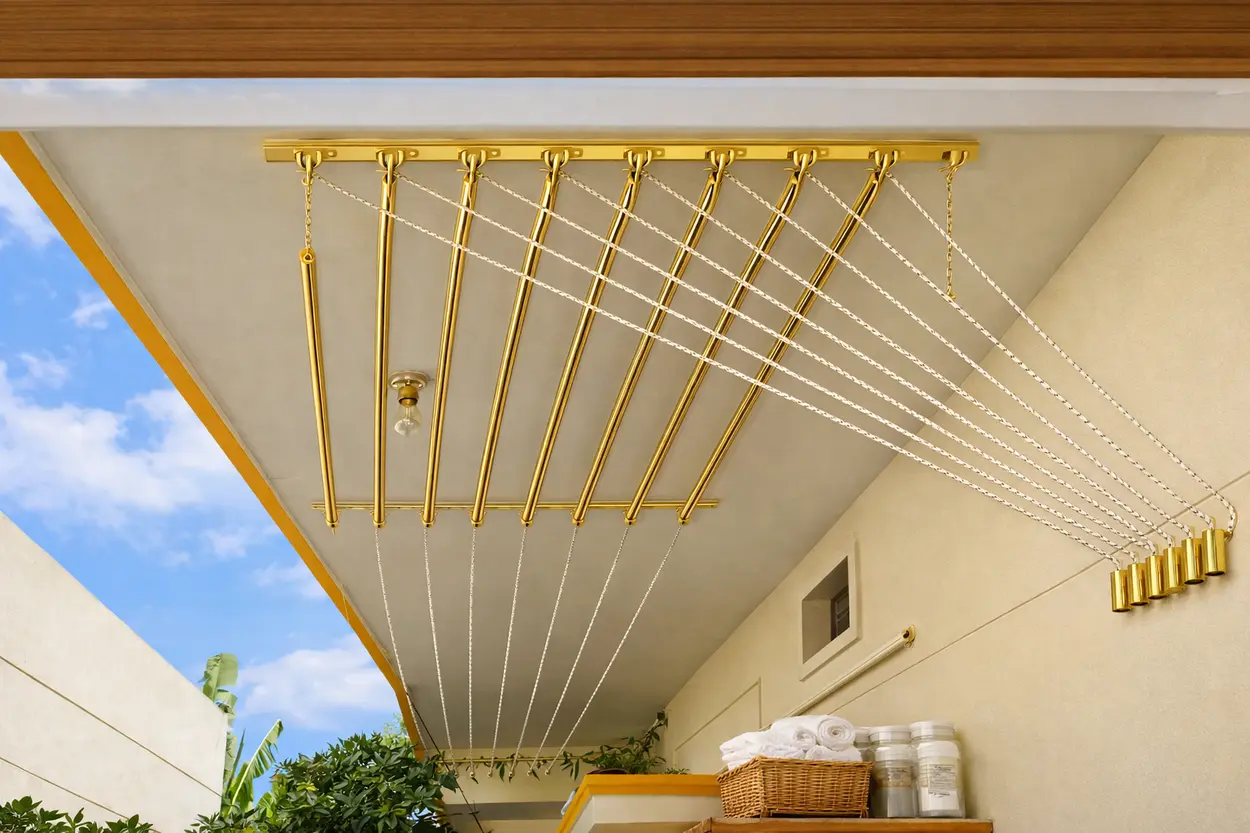
The hanger position should follow how the balcony is used

Ceiling Strength

Ceiling hangers need reliable fixing and load awareness

Ceiling cloth hangers carry wet clothes, which are heavier than dry clothes. The installer should check ceiling type, concrete strength, false ceiling areas, pipes, wiring, and drilling depth before fixing. A weak or careless installation can loosen over time.

Families should discuss expected load honestly. A small household and a large family need different hanger capacity. The quote should specify the type of hanger, fixing method, and safe usage guidance so the customer does not overload the system unknowingly.
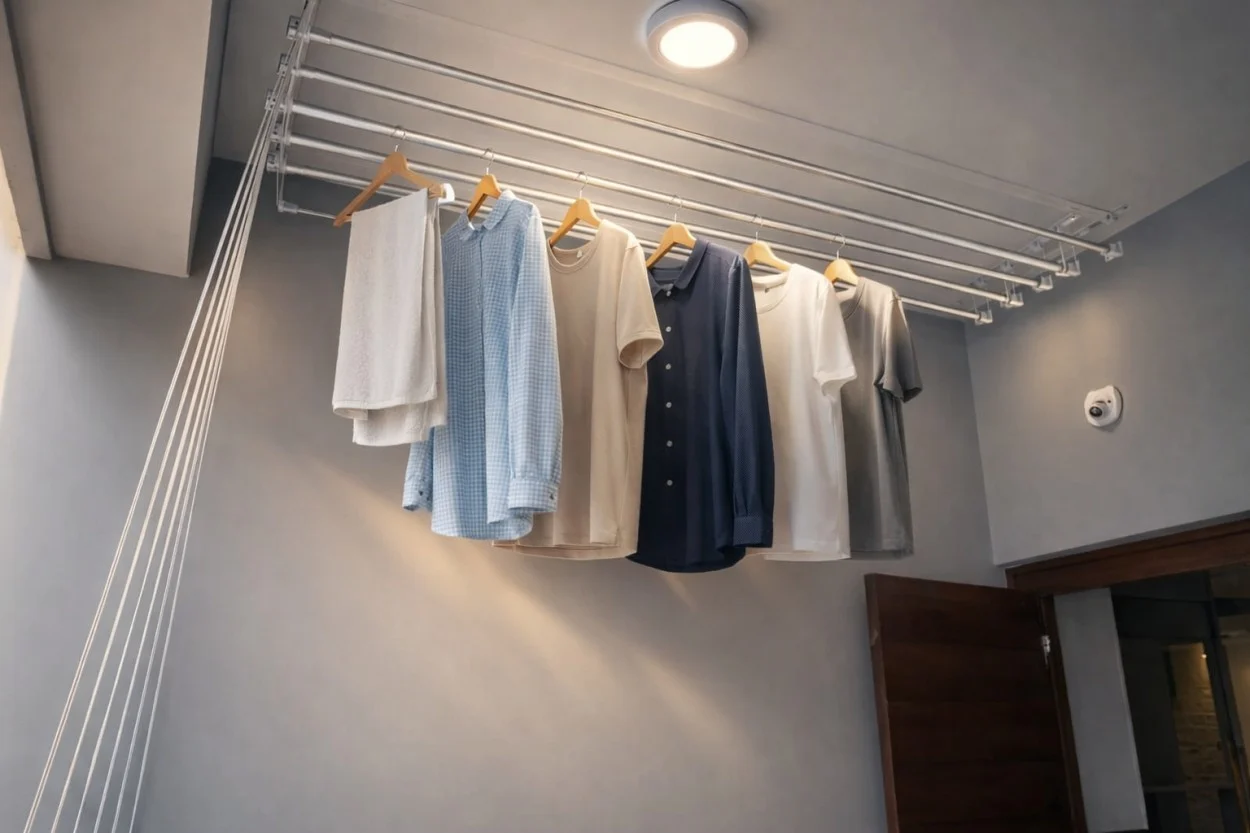
Ceiling hangers need reliable fixing and load awareness

Dry Balcony Use

Dry balconies need hangers that keep cleaning access open

Dry balconies are practical but can become crowded. Buckets, detergent shelves, washing machines, mop storage, and water outlets may already compete for space. A hanger should be positioned so the family can still clean the floor, reach taps, and operate appliances.

If the drying system blocks maintenance, people start tying clothes to railings or safety nets again. Good installation reduces those habits by making the proper drying route easy to use.

Monsoon Drying

Humid weather changes the right drying position

During Chennai rain and humid weeks, clothes need airflow more than direct sun alone. The hanger should be placed where air moves and dripping can be managed. If wet clothes crowd a corner with no airflow, drying becomes slow and smell can develop.

Madipakkam families should ask how hanger height and spacing affect drying. A system that allows clothes to spread out can perform better than a cramped line. Practical drying is the real goal.

Safety Nets Nearby

Cloth hangers should not overload safety nets or grills

Many balconies already have safety nets, invisible grills, or bird nets. Clothes should not be hung from those systems because they are designed for protection, not laundry load. A dedicated hanger keeps drying separate from safety equipment.

The installer should see existing nets before choosing hanger placement. The hanger should not rub against mesh, block net maintenance, or make it difficult to inspect balcony safety systems. Laundry convenience should support safety, not weaken it.

Rental Homes

Tenants should discuss drilling and removal before installation

Madipakkam has many rented apartments where tenants need better drying but worry about owner permission. The installer should explain drilling points, load, possible marks, and whether the hanger can be removed later. Clear information makes owner approval easier.

Temporary hooks or weak stands may avoid drilling but can create daily inconvenience or safety issues. A properly fixed hanger, installed with permission, is often cleaner and safer than repeated temporary arrangements.

Appearance

A practical hanger can still look neat from inside the home

Balconies are visible from kitchens, halls, and bedrooms. A hanger that hangs crooked or sits too low can make the home look messy even when clothes are not drying. Alignment, height, and finish matter for daily satisfaction.

The family should decide whether they want a ceiling-mounted, wall-mounted, pulley, foldable, or balcony-specific system. Each has a different visual effect. A good installer explains those differences without forcing one option on every home.

Quote Scope

Cloth hanger quotes should include product, fixing, and load guidance

Cloth hanger installation cost depends on hanger type, length, material, pulley system, drilling difficulty, ceiling condition, and whether old fittings must be removed. A clear quote should explain product quality and safe usage, not only the installation charge.

Send photos of the balcony, ceiling, washing machine, door swing, existing nets, and drying area. The installer can then suggest a placement that suits the home before final measurement.

Family Load

Laundry volume should decide hanger size and type

A single working professional, a couple, and a family with children produce very different laundry loads. Madipakkam homes should choose hanger length and type based on real weekly washing, not only available ceiling space. Wet towels, jeans, uniforms, and bedsheets can become heavy quickly.

If the hanger is undersized, clothes remain crowded and drying slows. If it is oversized for the space, it blocks movement. The installer should ask about family size and washing frequency before recommending a product.

Coordination With Other Work

Hangers should be matched with nets, grills, and appliance service

Balconies often receive multiple upgrades over time: safety nets, invisible grills, bird nets, AC service, shelves, and cloth hangers. If each is installed without coordination, the balcony becomes crowded. A hanger should be placed so it does not block future safety or appliance work.

If the family plans balcony safety nets later, mention it now. The installer can avoid fixing the hanger where net hooks or borders may be needed. Good sequence keeps the balcony useful and neat.

Everyday Ergonomics

The hanger should be comfortable for the person using it daily

A cloth hanger may be technically strong but still inconvenient if it is too high, too low, too close to the wall, or difficult for the main user to reach. Madipakkam families should plan height and operation around the person who handles laundry most often.

Pulley systems, foldable rods, and ceiling hangers each feel different in daily use. During the visit, discuss reach, shoulder comfort, wet-cloth weight, and whether elders or helpers will use the system. Practical comfort is part of good installation.

Water Drip Checks

Wet clothes should drip where the floor can handle it

Wet clothes can drip onto balcony floors, washing machines, storage shelves, or plant corners. The hanger should be positioned so dripping is manageable and does not damage appliances or create slippery spots near the door.

If the balcony has a drain, slope, or water outlet, the installation should use that advantage. Drying convenience improves when the floor below the clothes is easy to clean and safe to walk on.

Decision Notes

How to choose cloth hanger installation in Madipakkam

Plan around the routine

Washing machine position, door swing, sunlight, and cleaning access matter.

Check ceiling strength

Wet clothes are heavy, so fixing must suit the ceiling or wall.

Keep safety separate

Do not use safety nets or grills as laundry supports.

Choose the right type

Pulley, ceiling, foldable, and balcony hangers suit different homes.

Ask for load guidance

The family should know how to use the hanger without overloading it.

FAQ

Area questions answered clearly.

Which cloth hanger is right for Madipakkam apartments?

The right type depends on balcony size, ceiling height, washing machine position, family load, and whether the home is rented. A site visit can decide between ceiling, pulley, foldable, or balcony-specific hangers.

Can cloth hangers be installed in a dry balcony?

Yes, dry balconies are common places for hanger installation. The layout should keep taps, drains, washing machines, and cleaning access usable after installation.

How much weight can a ceiling cloth hanger hold?

Capacity depends on product quality, fixing method, ceiling strength, and how the load is distributed. Ask for safe load guidance and avoid overloading with very heavy wet items.

Can tenants install cloth hangers?

Yes, with owner approval when drilling is needed. The installer should explain fixing points, possible marks, and removal implications so the tenant can get clear permission.

Will the hanger damage safety nets?

It should not if placed correctly. Clothes should never be hung from safety nets or invisible grills. A dedicated hanger keeps laundry load separate from safety systems.

Can hangers be installed without drilling?

Some temporary products avoid drilling, but strong permanent systems often need proper fixing. The right choice depends on load, surface, rental rules, and safety expectations.

What photos should I send for a quote?

Send the balcony ceiling, walls, washing machine, door swing, existing nets or grills, taps, drains, and current drying setup. Photos help suggest the correct position.

Are pulley cloth hangers useful?

Pulley hangers can be useful where ceiling height allows lifting clothes out of the way. Product quality and fixing strength matter because the pulley is used often.

Can cloth hangers help during monsoon?

They can improve drying if placed where airflow is better and clothes can spread out. They will not remove humidity, but good placement reduces crowding and slow drying.

Can a hanger be installed near a window?

Yes, if it does not block window use, curtains, safety nets, or cleaning. The installer should check how the window opens before fixing the hanger.

How much does cloth hanger installation cost?

Cost depends on product type, length, material, pulley system, fixing difficulty, and whether old fittings need removal. A clear quote should include product and installation details.

How long does installation take?

Timing depends on hanger type, drilling, ceiling condition, and access. A simple installation may be quick, while pulley or multi-line systems need more careful setup.

Can old cloth hangers be replaced?

Yes. The installer should inspect old holes, ceiling strength, and whether previous fittings damaged the surface. Replacement may need new fixing points for safety.

How do I maintain a cloth hanger?

Avoid overloading, check screws or supports periodically, keep pulleys clean if used, and do not swing or pull the rods harshly. Ask for service if anything loosens.

Can cloth hanger placement be combined with balcony safety checks?

Yes. If the balcony also needs safety nets, bird nets, or invisible grills, plan hanger placement together. This prevents fittings from interfering with each other.

Can a cloth hanger hold bedsheets and towels?

It can if the product and fixing are selected for that load. Bedsheets and wet towels are heavier than small clothes, so discuss family laundry volume and avoid overloading rods beyond guidance.

Can cloth hangers be installed after safety nets?

Yes, but the installer should avoid disturbing the safety net border or hooks. Share photos of existing nets before the visit so hanger placement can be matched to them.

Can hangers be installed in utility areas with low ceilings?

Sometimes, but height and movement need checking. A low hanger can hit people, block appliances, or slow drying. The installer may suggest a foldable or wall-mounted option instead.

Should old drilling holes be reused?

Only if they are strong and correctly positioned. Old holes may be loose or unsuitable for the new hanger. The installer should inspect them before deciding whether reuse is safe.

Can cloth hangers be placed above a washing machine?

Sometimes, but dripping, access, appliance lid movement, and electrical safety should be checked. The hanger should not make it difficult to load the machine or service it later.

What height is right for a ceiling cloth hanger?

The right height depends on ceiling level, user reach, pulley type, and whether clothes need to clear doors or appliances. The installer should set it for daily comfort, not only maximum ceiling height.

Can a hanger be shifted later?

It may be possible, but shifting can leave old holes and require new fixing points. It is better to decide placement carefully before installation by checking door swing, drying load, and future balcony work.

Can cloth hangers rust?

Material quality and exposure decide durability. Humid balconies need suitable hardware and basic cleaning. Ask what material is being installed and how to maintain it.

Can a cloth hanger be installed in a balcony with plants?

Yes, but plant height, watering area, sunlight, and dripping clothes should be considered. The hanger should not crush plants or place wet clothes where water and soil make cleaning harder.

Can two hangers be installed in one balcony?

Sometimes, if ceiling strength, movement space, and drying airflow allow it. Two hangers in a small balcony can make clothes crowded, so the installer should plan spacing carefully.

Can cloth hangers be installed before moving into a new flat?

Yes, and it is often easier because the balcony is clear. Confirm appliance positions, safety net plans, and painting work first so the hanger is not installed in the wrong place.

Make Madipakkam laundry easier without crowding the balcony.

A good cloth hanger installation supports the family's drying routine while keeping the balcony safe, clean, and usable.

The right position follows airflow, load, ceiling strength, appliance placement, and existing safety systems.

When laundry fittings are set properly, everyday work becomes quieter, faster, and less messy.

That is the real value of a good hanger: not just more rods, but a balcony routine that finally feels organized.

For Madipakkam families, that organization can make a small utility space work much harder every week.

Call DK Safety Solutions