
Why anti bird nets in Teynampet need area route checks
Anti bird nets in Teynampet should not begin with a broad promise that one mesh can solve every balcony. The area setting includes refined central apartments, older buildings, compact balconies, and high-visibility residential fronts. Birds follow shade, ledge depth, quiet corners, and repeated nesting habits, so the visible dirt on the floor may not show the real route. A proper inspection studies the bird path before it studies only the length and height of the opening.
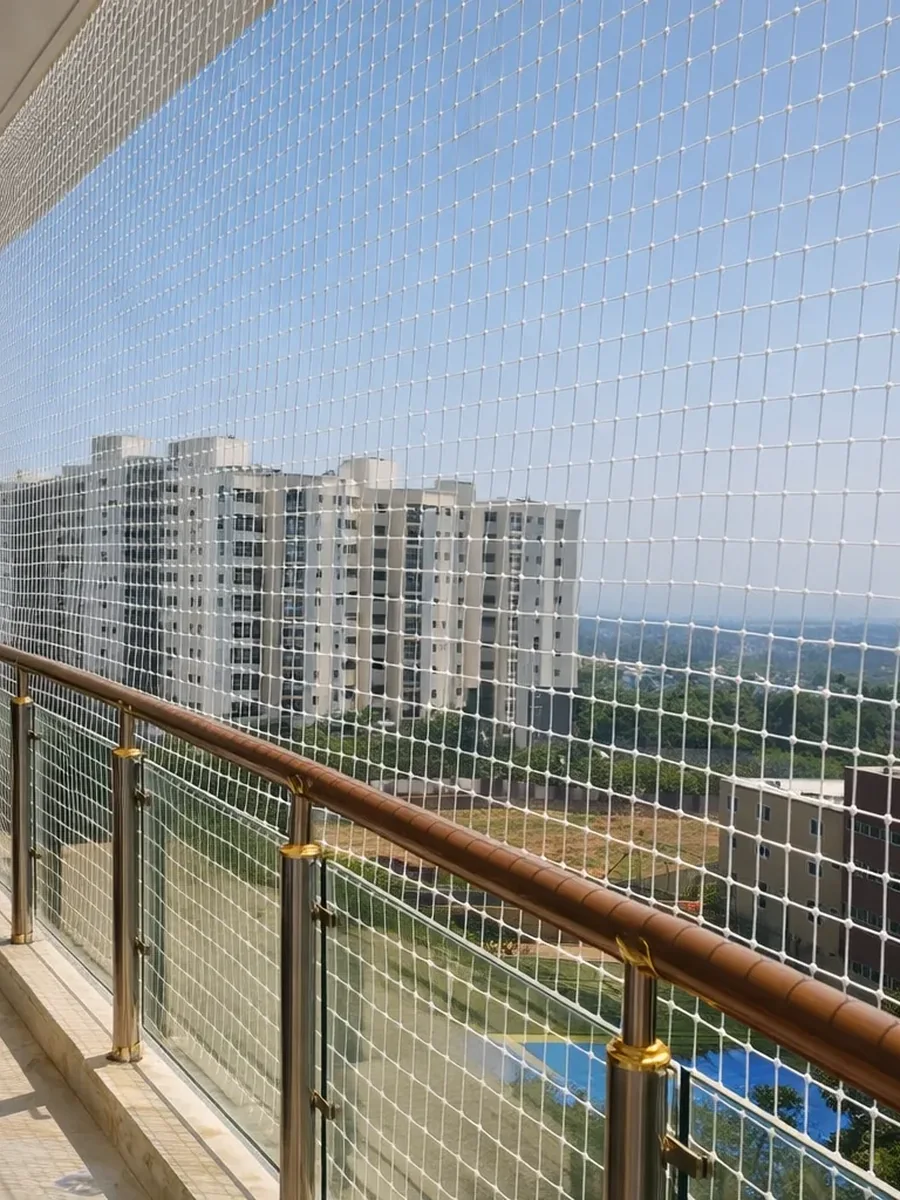
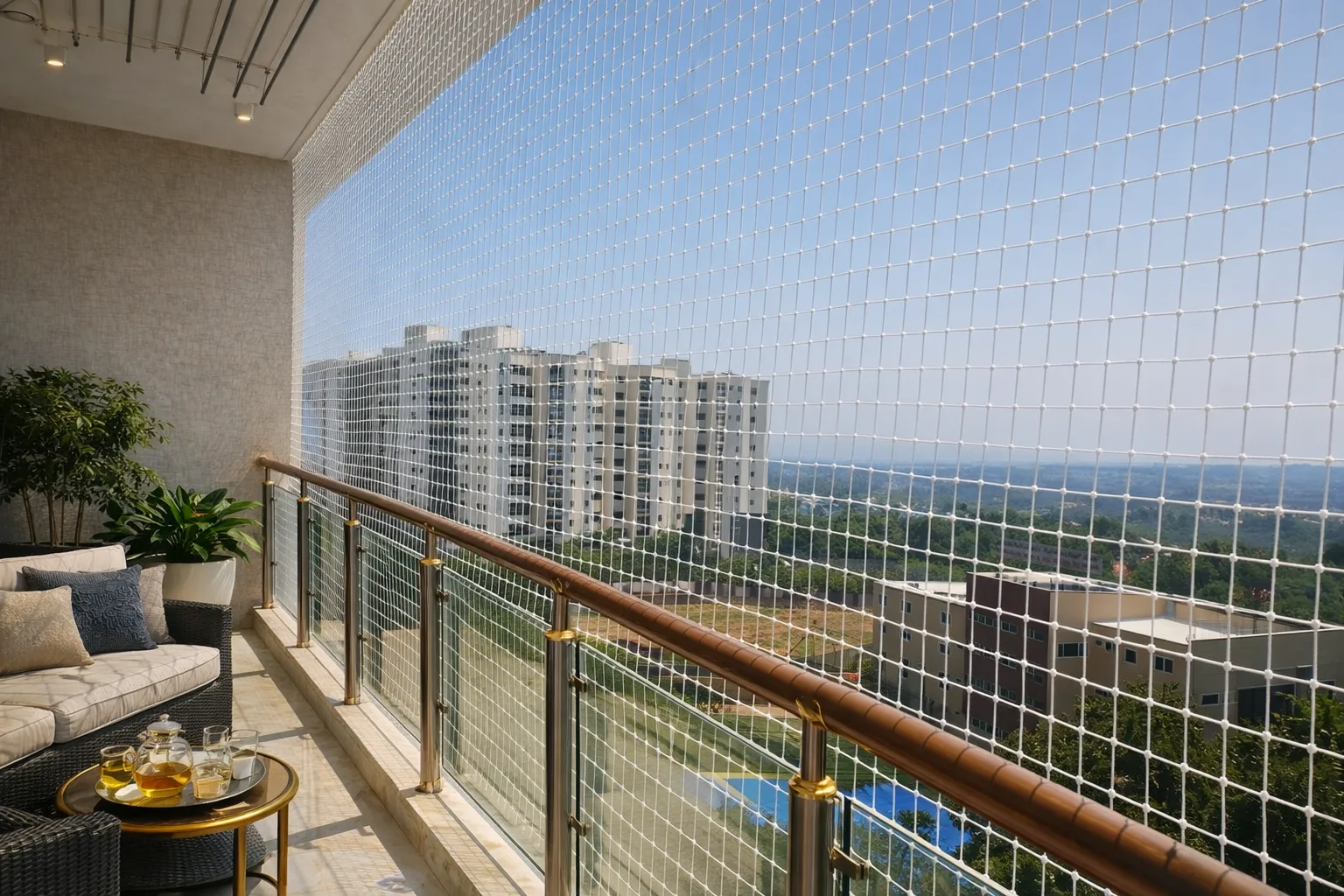
Teynampet anti bird netting should be discreet, careful, and association-friendly. Residents often search for anti bird netting after the balcony has stopped feeling usable. Smell, feather dust, blocked drain corners, and daily sweeping become frustrating. Some homes also have children or pets touching the balcony floor, so hygiene becomes more than cosmetic. The net should return the balcony to normal family use without making it dark or hard to maintain.
The common mistake in Teynampet is covering only the obvious front face. Birds may continue to sit on AC ledges, inner-court shelves, balcony side gaps, ducts, and window ledges. Good work closes the active route, keeps service points reachable, and makes the edge line tight enough that birds cannot push into loose pockets.
This service notes is written for owners who expect discreet bird control with careful installation behavior. It explains material, route coverage, fixing marks, duct access, ledge protection, apartment appearance, cleaning needs, and quote scope. Until a route has this kind of full service page, the site falls back to the shorter shorter area page; this long article is the richer area version for Teynampet.
Bird Route Mapping
Map the pigeon route before fixing the Teynampet net line
A proper Teynampet bird-control visit should begin with observation. Pigeons prefer repeated safe spots, and those spots may not be the largest visible opening. In this area, the route often includes AC ledges, inner-court shelves, balcony side gaps, ducts, and window ledges. The installer should ask where fresh droppings appear, where feathers collect, and whether birds return at a particular time of day.
Route mapping also prevents unnecessary coverage. Some teynampet homes need a closed side strip rather than a heavy net across every surface. Others need front coverage plus a ledge wrap or duct closure. The customer should hear why each fixing line exists; otherwise the quote is only selling mesh, not solving behavior.
Balcony Use
Keep Teynampet balconies usable after bird net installation
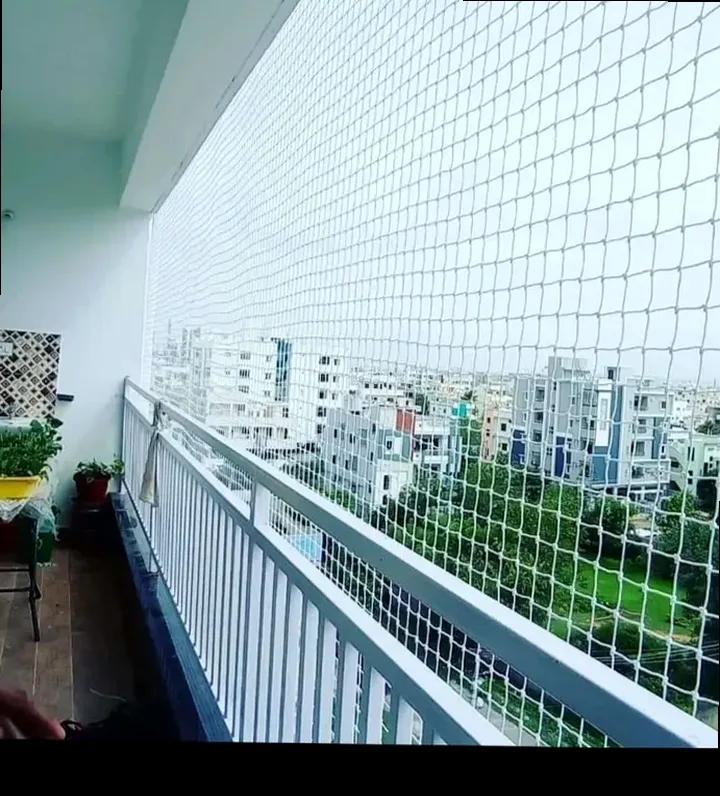
Bird control should not make a balcony feel like a locked storage cage. In Teynampet, customers may use the balcony for drying clothes, keeping plants, airing the home, storing utility items, or watching children and pets. The net line should respect these routines.
Before fixing hooks, the team should ask how the balcony is used during the week. Teynampet's homes may have compact utility corners, older railings, wide family balconies, or exposed upper-floor openings. The installation should leave room for cleaning, keep drain points visible, and avoid pressing against plants or stored items.
AC Ledges
AC ledges and side shelves often hide the real Teynampet bird problem
Many residents call for anti bird nets after seeing balcony droppings, but birds may be sitting behind an outdoor AC unit or on a narrow slab above the balcony. In Teynampet, this matters because AC ledges, inner-court shelves, balcony side gaps, ducts, and window ledges can let birds rest near the home without entering the main floor area immediately.
A good installation checks AC brackets, pipe routes, drain pipes, and service clearance before closing the ledge. The net should not make future AC service impossible. It may need a service access opening or a fixing pattern that service technicians can work around.
Ducts And Shafts
Do not ignore ducts, shafts, and utility gaps in Teynampet
Duct openings and shafts are common bird shelters because they are quieter than the front balcony. In Teynampet, service areas can collect feathers, nesting material, and droppings before the family notices. A balcony net alone may not solve the smell if birds continue to enter a connected duct.
Duct netting needs a different mindset from front balcony netting. It must be secure enough to stop birds, but service access still matters. Plumbers, AC technicians, electricians, or cleaning teams may need to reach that space later, so the quote should say how access will be handled.
Material Choice
Teynampet weather and building conditions affect material choice
Teynampet installations face central dust, older surfaces, humidity, and neat finish expectations. A poor net may stretch, fade, loosen at corners, or fray sooner than expected. Material quality matters because birds test weak edges. Border rope, hooks, tie points, and tension are part of the system, not accessories.
Residents should ask about UV stability, outdoor durability, mesh visibility, and the expected life of the installation. Very cheap material can feel economical on day one but become expensive when cleaning returns or the net has to be replaced early.
Fixing And Access
Fixing points in Teynampet should be chosen carefully
refined central homes need clear scope, quiet work, and neat drilling. The installer should check whether the wall, ceiling, railing, or side column can hold the required tension. Old plaster, hollow edges, thin frames, or painted balcony surfaces need a different fixing approach from fresh concrete.
Access details also affects safety and quality. Some jobs need ladders, balcony-side work, or careful handling around high floors. Customers should expect the team to explain where they will stand and what parts of the home need to be cleared before installation.
Apartment Appearance
Teynampet anti bird nets should look neat from inside and outside
refined borders that avoid a temporary patched appearance. A net that sags, waves, or has uneven corners can make a good home look temporary. Apartment associations may also care about color, drilling, facade uniformity, and working hours. A resident who confirms these details early has fewer problems after installation.
The right finish is often quiet. The border should follow the opening cleanly, the mesh should remain tight, and extra knots or hanging rope should be avoided. If the balcony is visible from the street, common corridor, or neighboring block, appearance is part of the job.
Cleaning And Hygiene
The real outcome is a cleaner Teynampet home
Anti bird nets are bought for a practical reason: families want less cleaning, less smell, fewer stains, and a balcony or utility space they can use again. Existing droppings should be cleaned properly after installation so fresh bird activity can be seen clearly.
Customers should monitor corners, ledges, and AC areas for a few days after installation. Birds may test the old route and look for weak points. If fresh droppings appear near one corner, it may mean a side gap or ledge needs adjustment rather than the whole system failing.
Quote Scope
Compare Teynampet anti bird net quotes by route coverage
Bird net prices can be confusing because two quotes may cover different things. One quote may include front opening, side returns, hooks, difficult access, ledge work, and duct closure. Another may include only a simple rectangle. Teynampet customers should ask what is excluded, especially if droppings are coming from AC ledges, inner-court shelves, balcony side gaps, ducts, and window ledges.
A clear scope should mention material type, approximate measurement, fixing method, access difficulty, ledge coverage, duct coverage, cleaning assumptions, timing, and support after installation. The better value is the quote that solves the actual bird path, not the lowest square-foot number.
For Teynampet, the installer should also explain after-service expectations in plain language. If an AC technician removes part of the net, if a painter loosens a border, or if a new pipe is added through a duct, the bird-control route may need to be restored. Families should keep the quote, photos, and service contact handy so the protection can be maintained instead of forgotten after the first installation day.
For Teynampet, the installer should also explain after-service expectations in plain language. If an AC technician removes part of the net, if a painter loosens a border, or if a new pipe is added through a duct, the bird-control route may need to be restored. Families should keep the quote, photos, and service contact handy so the protection can be maintained instead of forgotten after the first installation day.